

VIDEO & CENTER
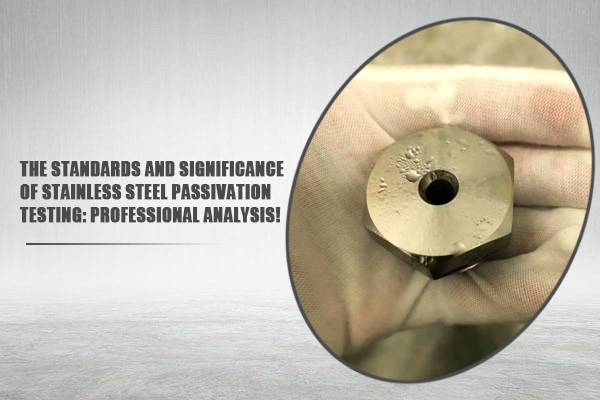
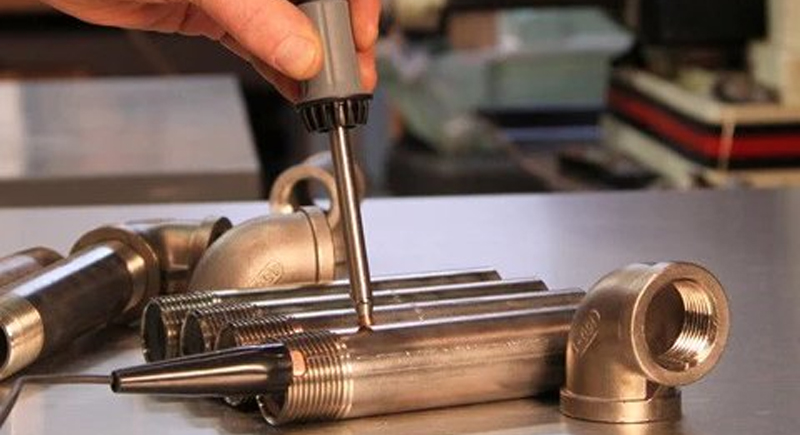
Due to its excellent corrosion resistance and mechanical properties, stainless steel is widely used in various industrial fields. However, during its usage, the effectiveness of the surface passivation layer is crucial for ensuring its performance. The stainless steel passivation test standards provide guidance and basis for evaluating and verifying the effect of the passivation process. This article will deeply explore the standards of stainless steel passivation tests, their importance, and their core value in industrial applications. Basic knowledge of stainless steel passivation: The concept and function of passivation Passivation of stainless steel refers to the formation of a protective layer on its surface through chemical treatment, making it less prone to oxidation reactions and thus extending the service life of the material. Formation of a protective layer: Passivation treatment can form a dense chromium oxide film on the surface of stainless steel, preventing the direct contact of external oxides with the stainless steel substrate. Improvement of corrosion resistance: This layer not only prevents the steel from rusting but also protects it from other environmental and chemical media erosion. Industry applications of stainless steel passivation Stainless steel passivation is widely used in pharmaceutical equipment, food processing tools, chemical storage containers, and fasteners, etc. Application in the fastener industry: For fasteners such as bolts and nuts, the passivation process is particularly important to ensure excellent performance in extreme environments. Importance of stainless steel passivation test standards Common test standards and methods for stainless steel passivation tests mainly involve evaluating the integrity and corrosion resistance of the passivation film, among which common standards include ASTM A967, ASTM A380, and ISO 16048. ASTM A967 test standard: This standard provides two testing methods, chemical and electrochemical, for evaluating the effect of stainless steel passivation. General chemical test method includes acid reagent testing, observing the corrosion resistance under specific conditions. ISO 16048 standard: This standard focuses on the corrosion resistance test of stainless steel fasteners under different environmental conditions, ensuring their functional stability in actual applications. Important steps of the test Passivation tests usually include the following steps: Sample preparation: Ensure that the surface of the test samples is clean and free from contamination to eliminate the influence of other interfering factors on the test results. Environmental simulation: Simulate the actual usage environment in the laboratory, such as high humidity and acid-base media, to evaluate the passivation effect of stainless steel. Detection and evaluation: According to the standard requirements, conduct detection using several chemical or electrochemical methods to evaluate the integrity and protective effect of the surface film. Importance of stainless steel passivation tests: Enhancing product quality and reliability Passivation tests ensure the high reliability of stainless steel products, especially fasteners, in actual applications. Prevention of corrosion failure: Products that pass the tests can significantly reduce early failures caused by corrosion, extending the service life. Improving customer satisfaction: Ensuring product quality not only enhances the trust of users but also earns a good reputation for the manufacturer. Compliance with industry standards and norms Stainless steel products must comply with specific industry standards to ensure their competitiveness in the international market. Meeting compliance requirements: A qualified passivation test report is an important condition for ensuring the export of products to global markets, meeting multiple national standards. Promoting technological progress: The implementation of standards promotes the advancement of passivation technology and the development of new materials and processes in the industry. Application of stainless steel passivation tests in different industrial fields: Use in the medical device industry For medical devices, passivation verification is crucial for ensuring the safety of use. Reducing microbial attachment: The surface of uncorroded devices is less likely to harbor bacteria, protecting the health of patients. Application in the aerospace and aviation industry: In these highly demanding fields, qualified passivation not only enhances the reliability of the product but also ensures the safety of use. Increasing service life: Appropriate passivation treatment can significantly extend the service life of aerospace material components. The conclusion is that the stainless steel passivation testing standards not only provide a reliable method for verifying the corrosion resistance of materials, but also play an indispensable role in enhancing the safety of industrial products and extending their service life. From fasteners to medical devices, all industries need to ensure that their stainless steel products comply with the standards to maintain quality and performance stability. By understanding and following the passivation testing standards, enterprises can ensure that their products maintain a leading position in the global market.